Agents
Bring more consistency, speed, and confidence to your team with Agents.
Jan 20, 2026 · 5 min read
Ticketing system featuresVerly
Open feature
Bring more consistency, speed, and confidence to your team with Agent Collision Detection.
Agent Collision Detection helps modern support teams ticketing system features that bring together the essential building blocks of a modern support workflow. It gives agents clearer workflows, stronger consistency, and a faster path to high-quality customer outcomes.
Inside Verly, agent collision detection fits naturally into the broader ticketing system features experience. That means your team can use it without adding unnecessary operational overhead or disconnected tools.
Agent Collision Detection is part of Verly's ticketing system features toolkit. It helps teams ticketing system features that bring together the essential building blocks of a modern support workflow so agents can move faster, customers get clearer outcomes, and operations stay easier to manage at scale.
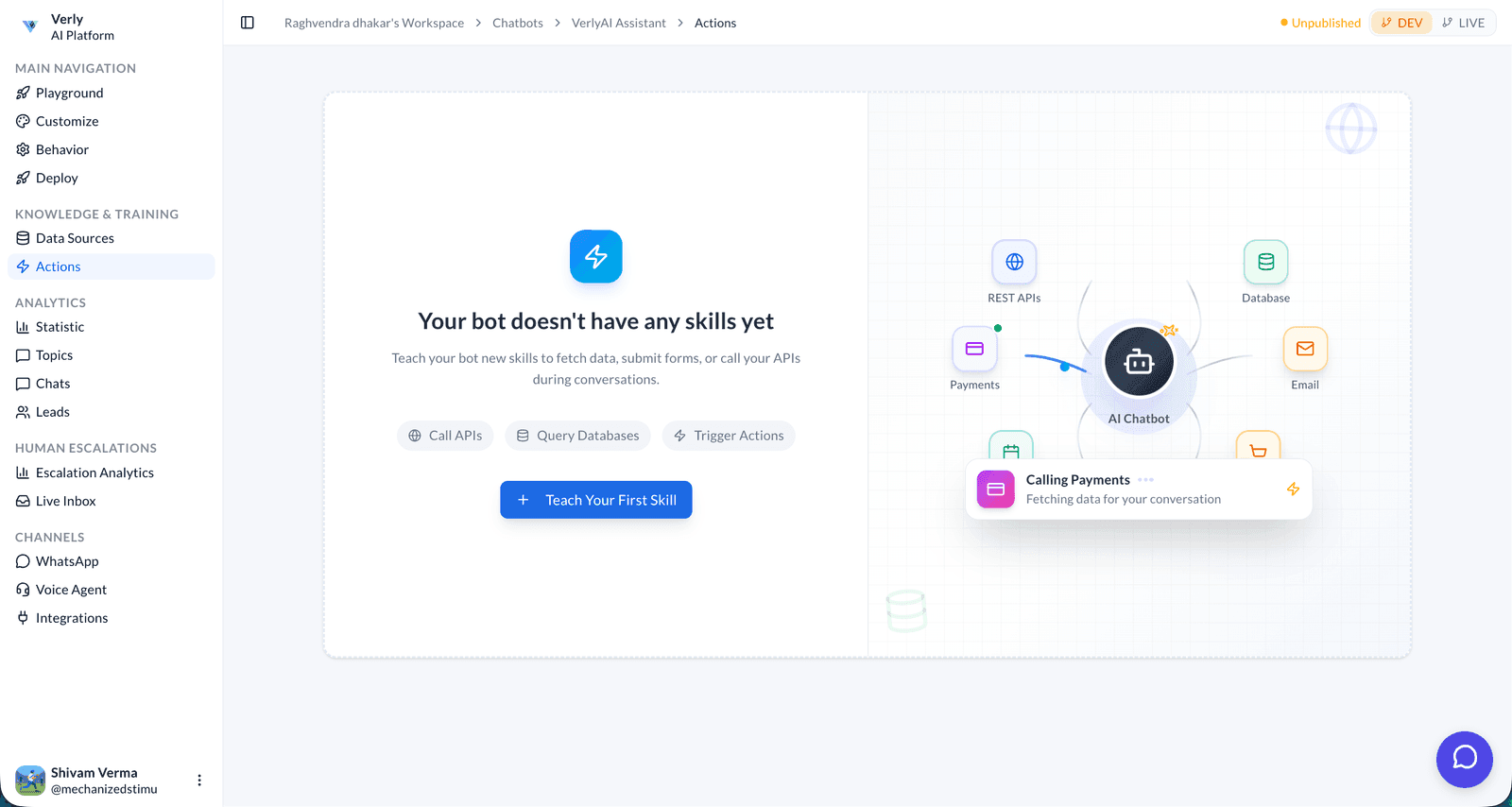
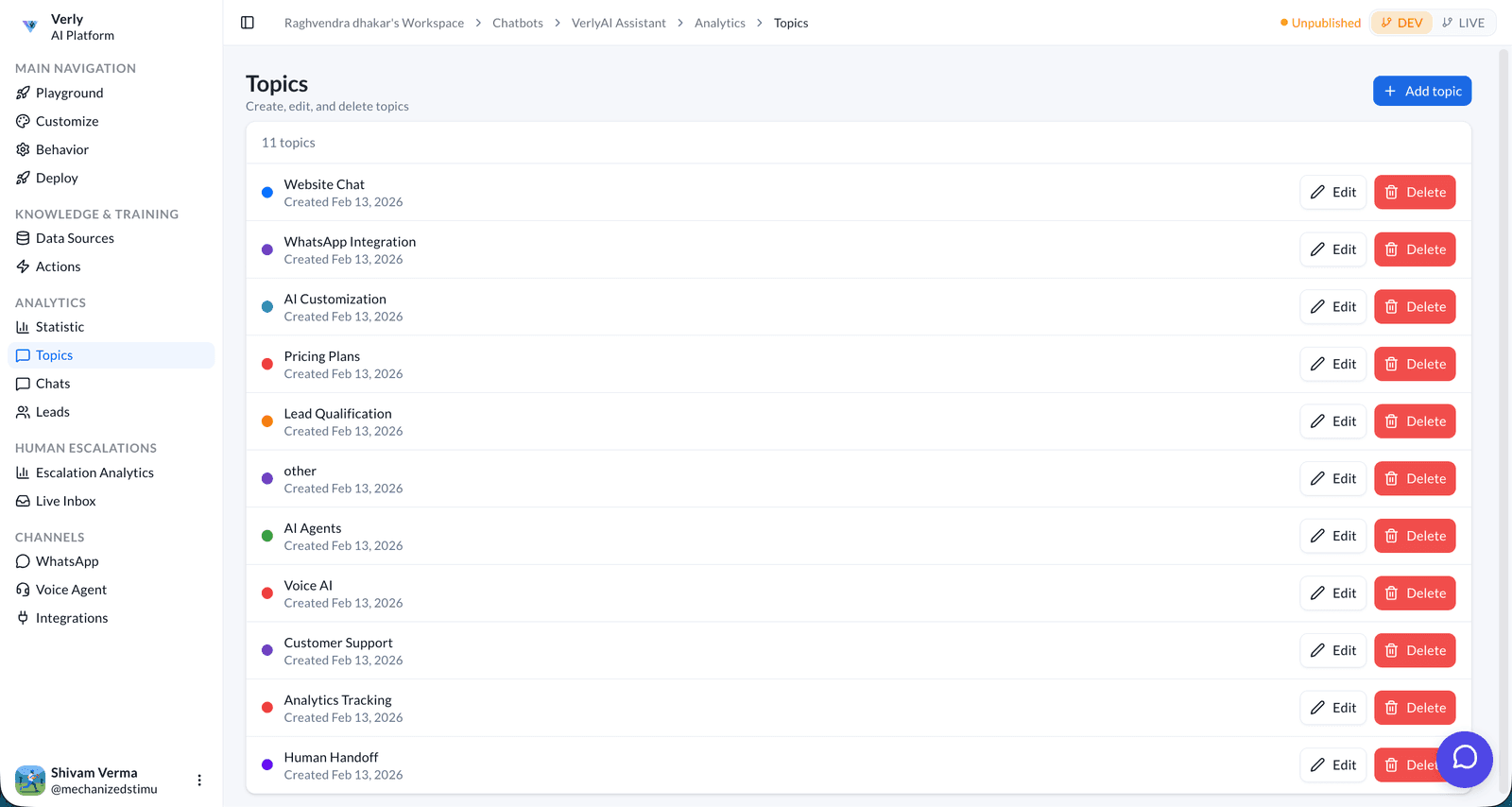
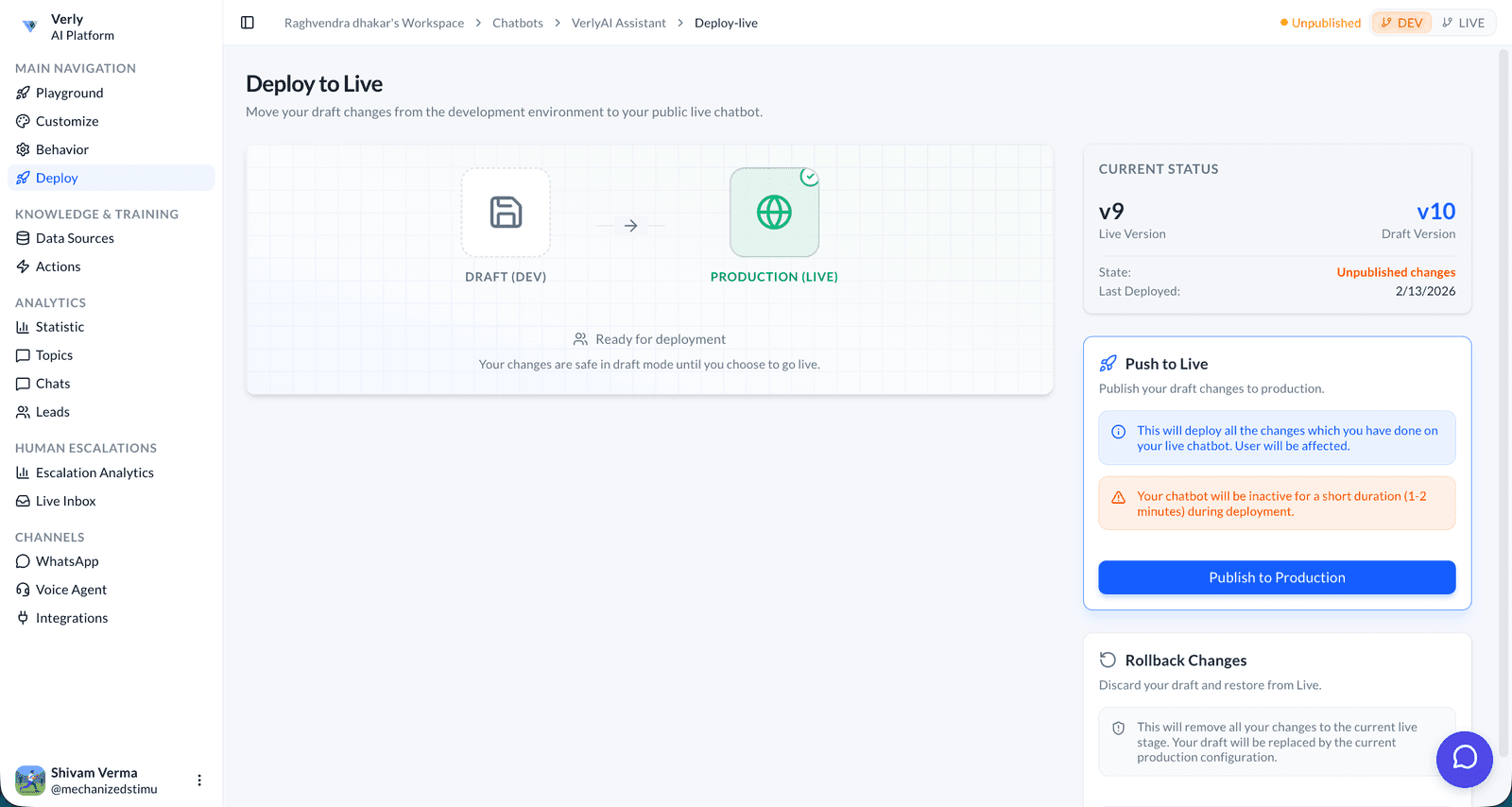
Workflow hint: Open the relevant support workflow in Verly, choose Agent Collision Detection, review the suggested action or configuration, and apply it where your team needs more speed or consistency.
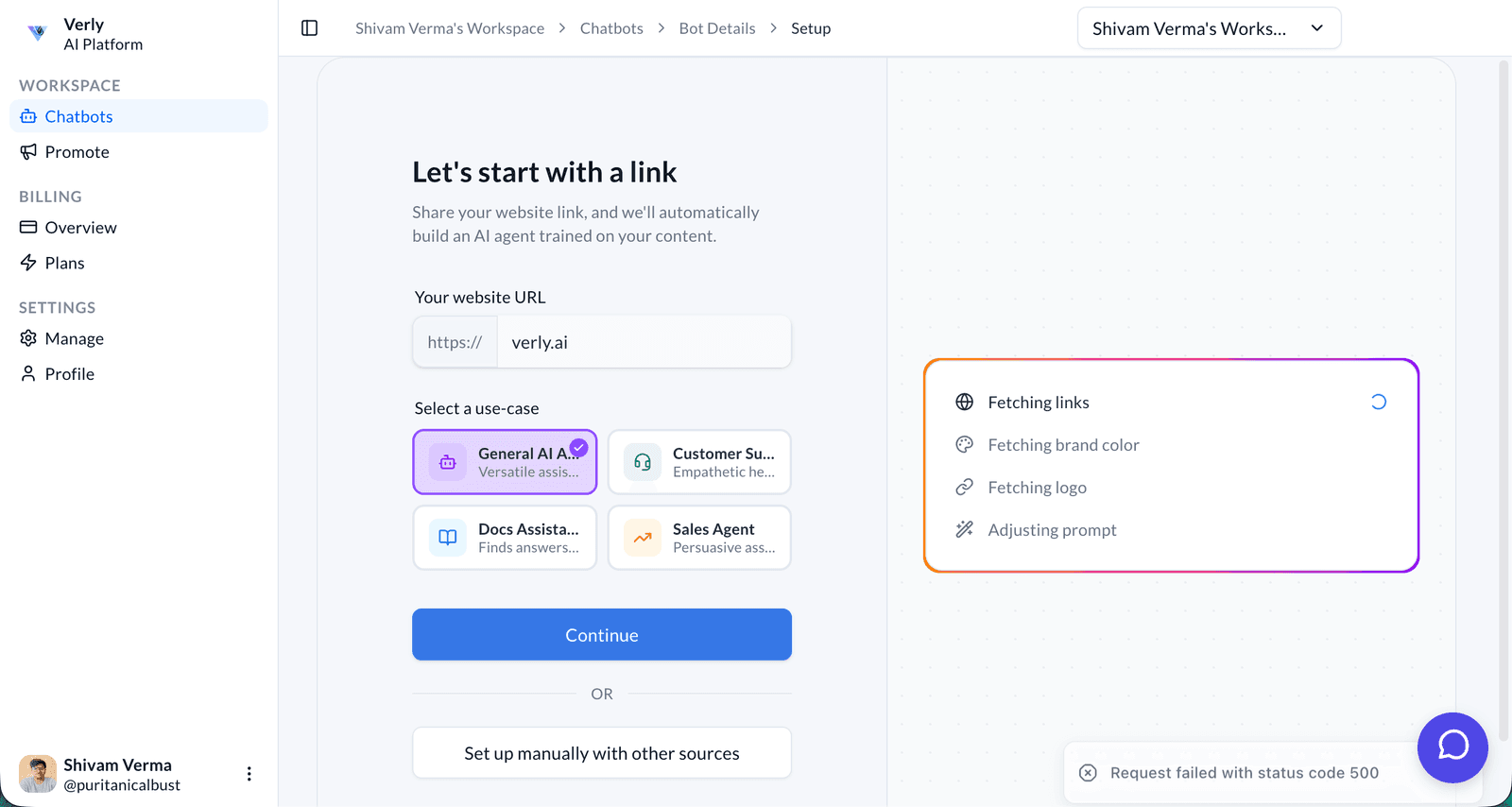
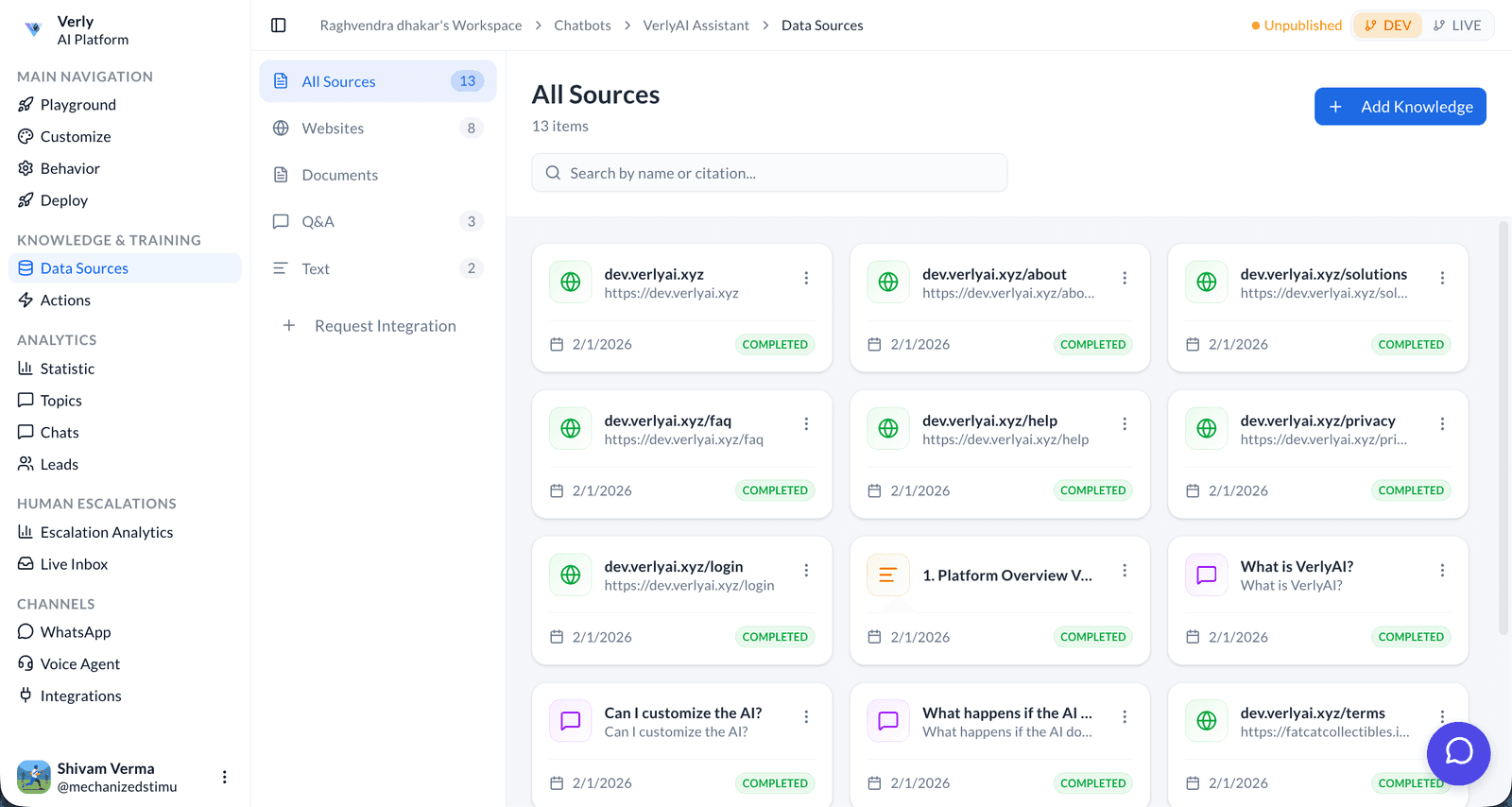
Agent Collision Detection works inside the broader Verly product flow for ticketing system features.
Teams can use it to improve execution quality, reduce repetitive work, and create a smoother customer support experience.
Agent Collision Detection helps your team create a clearer and more repeatable process inside ticketing system features.
Use agent collision detection to reduce friction, move work forward faster, and keep support quality high during busy periods.
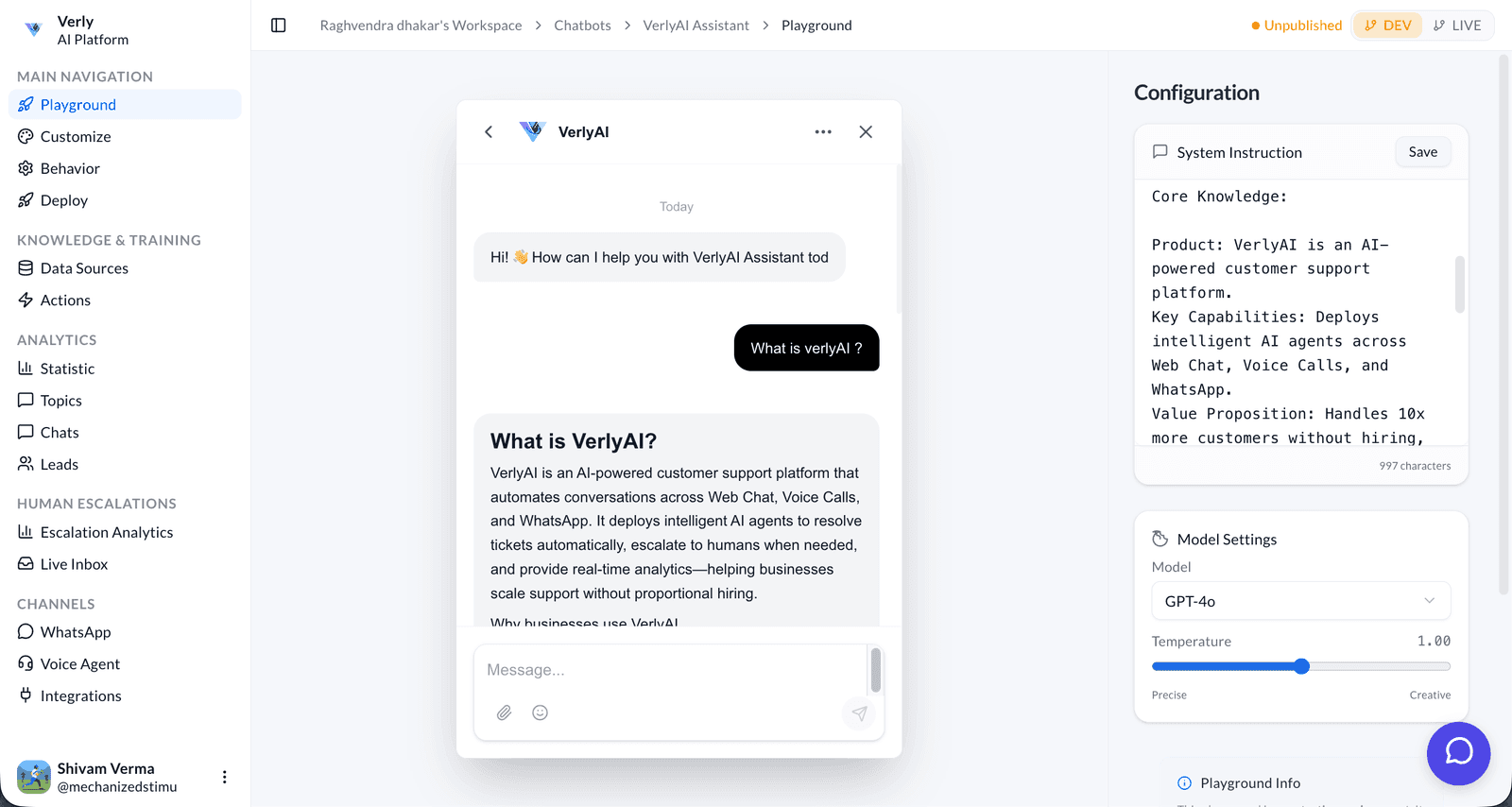
Agent Collision Detection helps customers receive more timely, consistent, and confidence-building support interactions.
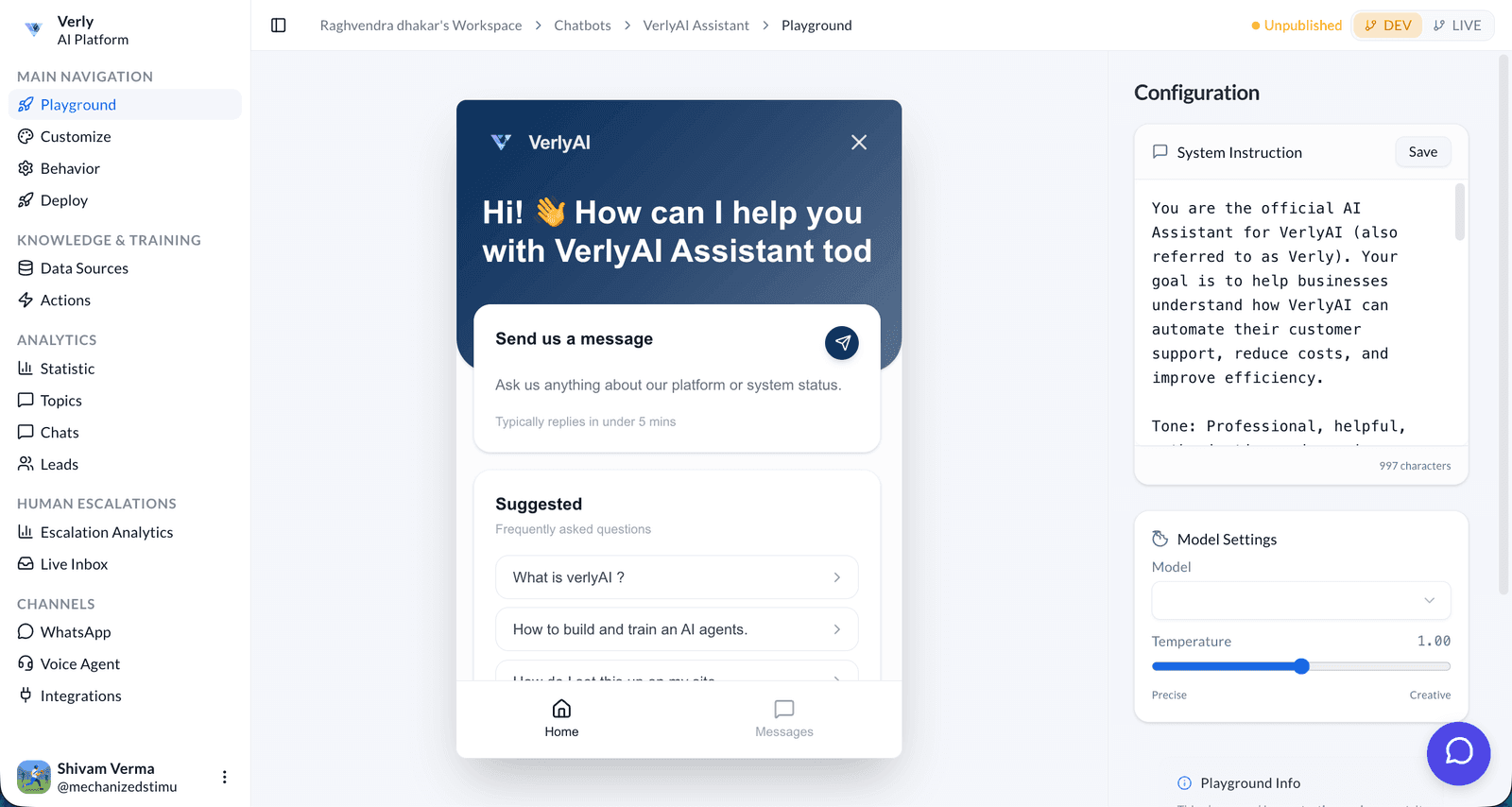
Agent Collision Detection is one of every capability in Verly. One agent across voice, WhatsApp, and web chat — branched, previewed, and rolled back like software.
Bring more consistency, speed, and confidence to your team with Agents.
Bring more consistency, speed, and confidence to your team with Audit Log.
Bring more consistency, speed, and confidence to your team with Automated Ticket Distribution.